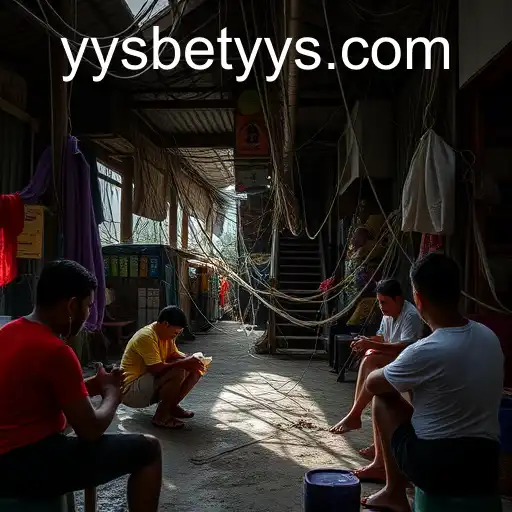
The Intricate Web of Jueteng: Unraveling the Cultural and Social Dynamics
Jueteng is a long-standing numbers game deeply entrenched in the social fabric of the Philippines. Despite its illegal status, it persists as a popular activity, primarily in the Luzon region. Known for its simplicity and accessibility, Jueteng has evolved from a local pastime to a significant socio-economic phenomenon, impacting various facets of community life.
Historical Roots of Jueteng
The origins of Jueteng trace back to Chinese immigrants in the Spanish colonial era. The game assimilated into Filipino culture, integrating with local customs. It became ubiquitous in everyday life, spreading from urban centers to rural areas. Over time, it morphed from informal betting among acquaintances to organized operations, with a structured hierarchy involving thousands of participants.
The Basic Mechanics of Jueteng
At its core, Jueteng is a simple numbers game. Players choose a combination of numbers, usually ranging from 1 to 37. Bets are collected by 'cobradores' and handed over to 'cabos' who manage the money and ensure payouts. Winning numbers are drawn twice daily, providing ample opportunity for both excitement and disappointment among players.
The allure of Jueteng lies in its promise of quick money with minimal investment, often camouflaged as a harmless pastime. It is a game of chance, yet it involves a sense of community participation, as whole neighborhoods may wait in anticipation of the daily draw.
The Social and Economic Impact of Jueteng
Jueteng's reach extends beyond entertainment, influencing socio-economic dynamics within communities. For many, it serves as an unofficial economic activity, offering employment opportunities in the form of collecting and organizing bets. This underground employment is crucial in regions where formal job opportunities are limited.
However, the impact of Jueteng is a double-edged sword. While it can provide financial relief for some, it can also perpetuate cycles of poverty and dependency. Small earnings are often reinvested into the game, with the hope of hitting jackpots, a practice that can lead to financial ruin.
Jueteng and Politics
The influence of Jueteng in the political sphere cannot be overstated. It is a well-known secret that some political campaigns are bankrolled through this illegal activity. Politicians may turn a blind eye or even protect Jueteng operations, securing votes and maintaining power in their constituencies. The intricate relationship between Jueteng and political dynamics underscores the complexities of governance in areas where it thrives.
The Legal Battle and Law Enforcement
Efforts to combat Jueteng have been ongoing for decades, with varying degrees of success. The government's stance has oscillated between strict enforcement and pragmatic tolerance. Campaigns against Jueteng often intensify around election periods, albeit with diminishing returns, due to its deep-rooted nature and the socio-economic benefits it provides to participants.
Law enforcement agencies have tried various approaches to dismantling Jueteng networks, but efforts are hindered by corruption and lack of resources. The game continues to thrive, adapting to technological advancements, and utilizing modern communication methods to evade authorities.
The Role of the Church and Civil Society
The Catholic Church and civil society organizations play a crucial role in addressing the moral implications of Jueteng. The Church, in particular, has been vocal in its opposition, citing the moral decay and social issues associated with gambling. Various campaigns have been launched to promote alternative livelihood programs, attempting to divert public interest away from Jueteng.
Modern-day Jueteng: Adaptation and Resilience
With technological advancement, Jueteng has adapted to the digital age. Some operations have moved online, utilizing mobile applications and social media to reach a wider audience. This shift highlights the resilience of Jueteng as it continues to evolve in spite of legal challenges and societal shifts.
The persistence of Jueteng underscores the complexities of eliminating deeply rooted cultural practices. For many communities, it is not just a game but a social institution, providing a sense of community and cultural continuity.
However, as the country grapples with the implications of Jueteng, it is essential to address the root causes of its persistence. Social reform and economic development are key components in reducing the allure of illegal numbers games, providing citizens with alternative avenues for economic participation.
Ultimately, understanding Jueteng requires a nuanced approach, recognizing its role in the socio-cultural landscape while striving for legal and ethical solutions to mitigate its negative impacts.
For more insights on societal dynamics, you can visit our homepage.